

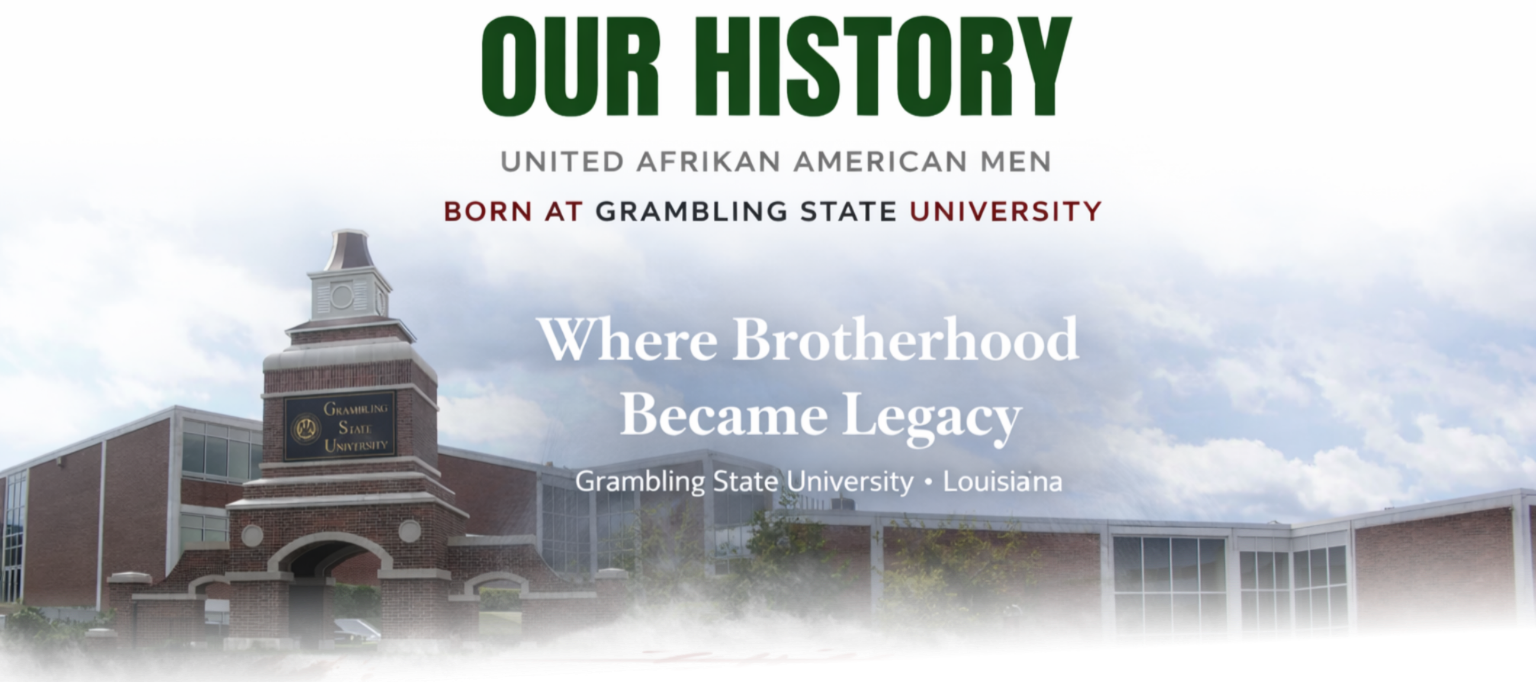
The Vision Begins
Early 1993
On February 18, 1993, while attending Grambling State University in Grambling, Louisiana, Brothers Dr. LaMarr D. Shields, Henry A. Gardner, Dr. Derek Hicks, Kevin Higgins, Fred Payne, And Rodney Thomas envisioned an organization that would confront negative stereotypes surrounding Black men while fostering scholarship, leadership, and unity.
This vision was grounded in the belief that educated Black men have a responsibility to uplift their communities and guide younger generations. UAAM was designed to be Afrikan centered, purpose-driven, and focused on tangible impact both on campus and beyond.
Founders


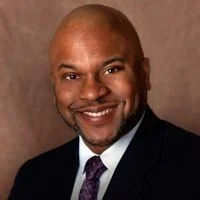
Dr. LaMarr D. Shields
Henry A. Gardner
Dr. Derek Hicks
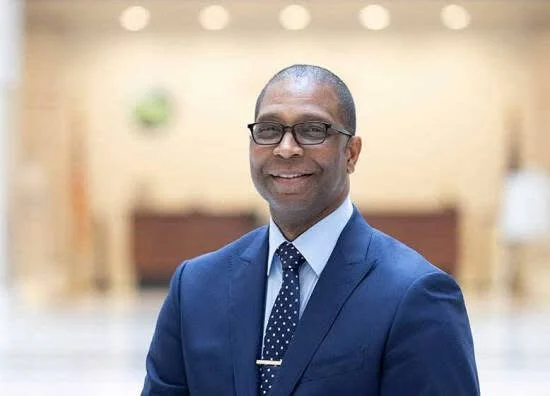
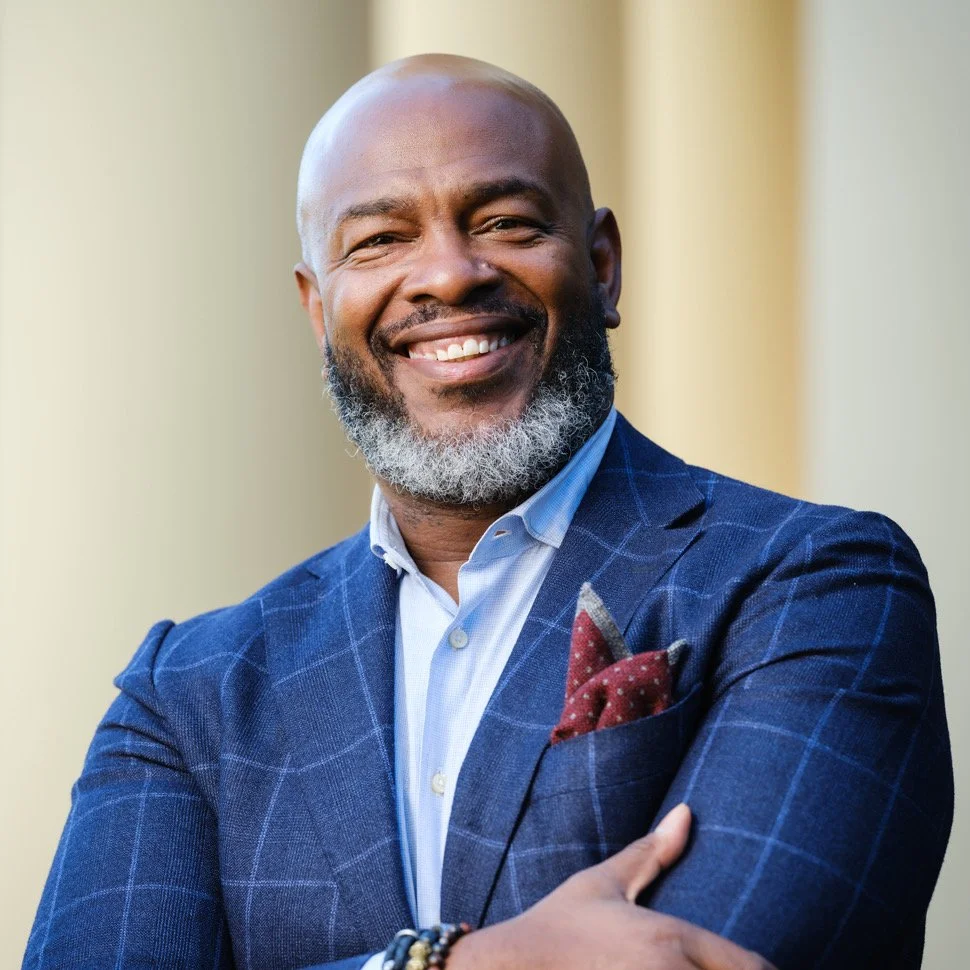
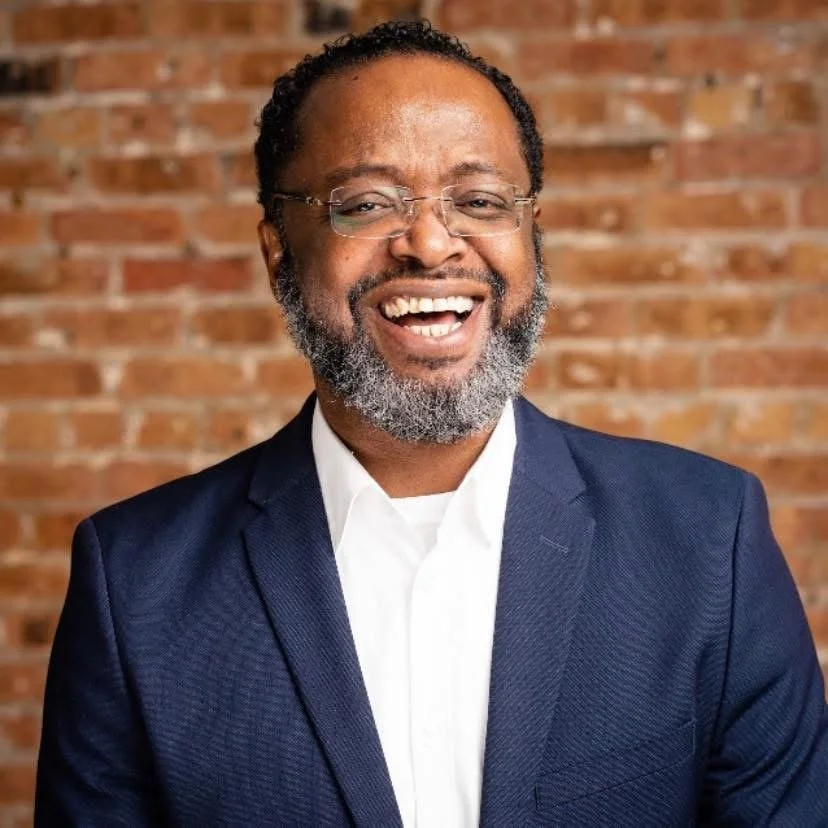
Kevin Higgins
Fred Payne
Rodney Thomas
The BaM Program & Early Growth
Late 1993
Towards the end of 1993, UAAM introduced one of its most impactful initiatives: BaM (Becoming a Man). This program was developed to address the challenges facing young Black males through mentorship, education, and self-development.
Self-esteem and cultural pride
Public speaking and leadership skills
Accountability and discipline
Positive representations of Black manhood
BaM became a defining element of UAAM’s mission and played a major role in the organization’s growth and recognition.
Expansion Beyond Grambling
As UAAM’s impact became more visible, interest grew beyond Grambling State University. Chapters began forming at other colleges and universities, particularly Historically Black Colleges and Universities (HBCUs).
Each chapter carried the same foundational principles while addressing the specific needs of its campus and surrounding community. This expansion marked UAAM’s evolution into a national fellowship organization.
National Structure & Headquarters
With continued growth came the need for structure. UAAM established a formal national leadership framework to preserve organizational standards, guide expansion, and ensure continuity across generations.
The establishment of the National Headquarters in Tyler, Texas provided a centralized foundation for supporting chapters and safeguarding the organization’s history and mission.
UAAM Today — A Living Legacy
Today, United AfriKan American Men, Inc. continues to build upon the foundation laid in 1993. Chapters across the nation remain committed to academic excellence, leadership development, community service, mentorship, and cultural awareness.
UAAM’s history is not confined to dates or milestones—it lives through the daily actions of its members. From Genesis to present day, UAAM stands as a testament to what is possible when Black men unite with purpose and vision.
“THE REVOLUTION IS US.”